

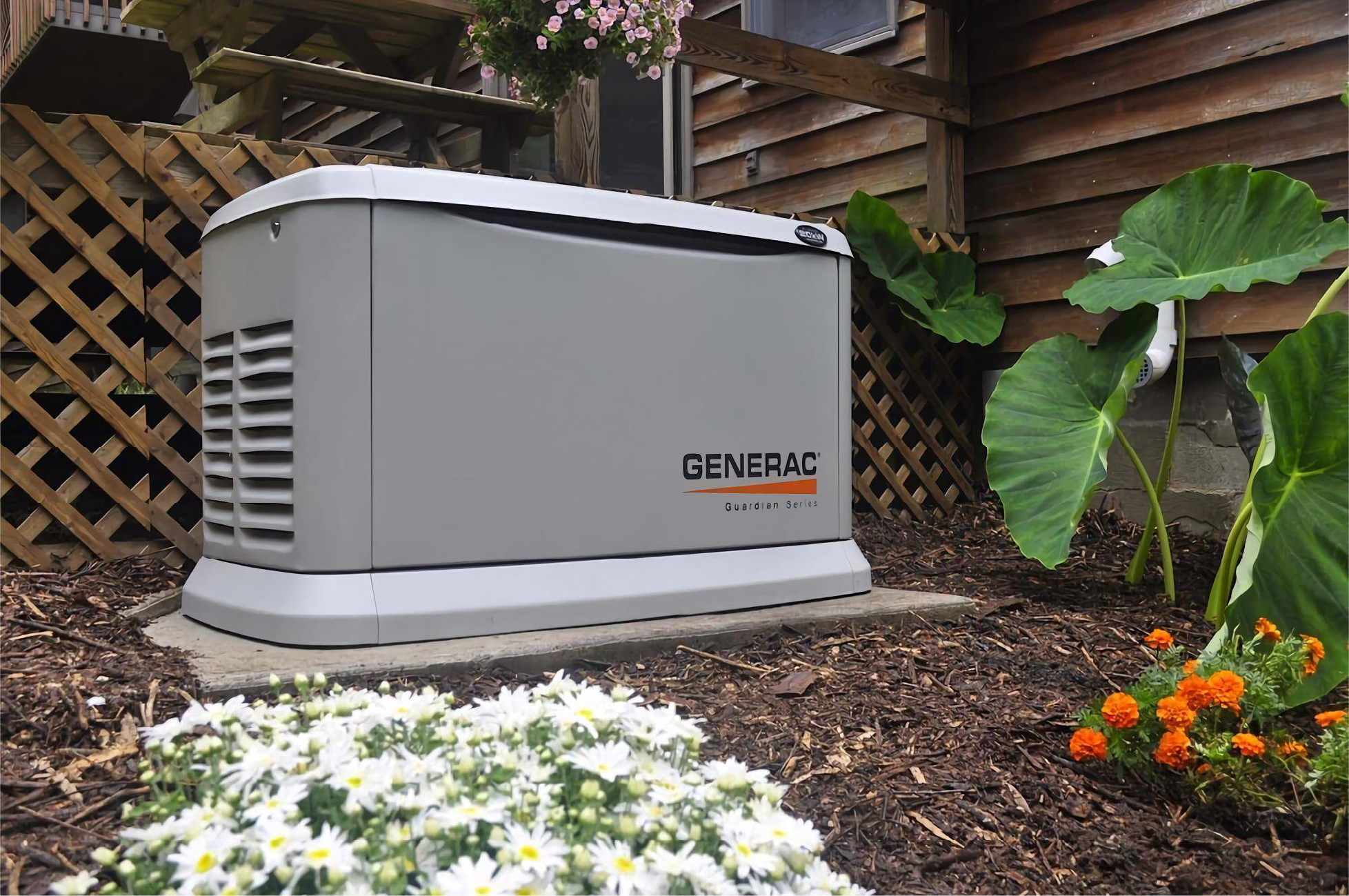
Let’s Talk Backup Generators
Power outages can turn your cozy home into a dark, uncomfortable waiting room in an instant. That’s why so many homeowners are considering backup generators — but before making the leap, it’s smart to understand what you’re getting into. Spoiler: it’s not just the cost of the generator itself. There’s a whole bundle of factors at play, from installation to long-term upkeep.
This guide walks you through the real costs of owning a backup generator so you can plan confidently (and avoid surprises). Whether you're eyeing a small portable unit or a full-blown whole-house system, we’ll help you weigh the options and break down where your money will actually go. Let’s keep the lights on — literally and financially — as we dive into what homeowners should expect.
Key Takeaways
- Backup generator costs can range from $500 to over $15,000 depending on type and power capacity.
- Installation expenses often match or exceed equipment costs, especially for standby systems.
- Generator type and size significantly influence both upfront and ongoing costs.
- Permits, fuel type, and electrical upgrades may impact final pricing — don't overlook these extras.
- Long-term expenses include maintenance, fuel, and occasional repairs — budget for these annually.
- Smart shopping and local expertise can help homeowners save money without cutting corners.
What Influences Backup Generator Costs?
Backup generator pricing isn’t one-size-fits-all — in fact, it can vary dramatically based on several key factors. From the size of your home to how automated you want the system to be, many little decisions can push the cost up or down. Plus, local building codes and permitting requirements play a huge role in the total expense.
Let’s break down the most important cost drivers. Understanding these will help you plan a realistic budget and avoid getting surprised by add-ons and hidden fees during the installation process.
Recent Posts
THINKING ABOUT A BACKUP GENERATOR?
Power outages aren’t just inconvenient—they can be costly and even dangerous. Surge Electrical offers expert generator installation to keep your home powered, protected, and up to code.
Trusted across Seattle, Bellevue, Redmond, and Puget Sound communities.
Request a QuoteGenerator Type and Size
The type and size of your generator is probably the biggest factor in how much you’ll pay. Portable generators, which are ideal for temporary or partial power, are cheaper but limited in performance. On the other hand, standby generators — especially whole-home systems — are permanently installed, automatically start during outages, and can power your entire home, but they come at a premium.
Wattage capacity matters, too. A small generator powering a few appliances might only need 5,000–7,500 watts, while a whole-home setup may demand 20,000 watts or more. More watts = more money. Choosing the right size means evaluating your power needs — and possibly speaking with a licensed electrician to match your panel capacity.
Installation Complexity
Installation is where many homeowners are caught off guard. Unlike a plug-and-play appliance, a backup generator — especially a standby model — requires serious electrical work, often including trenching, wiring, and fuel line connections. If your electrical panel needs upgrading, that’s another layer of cost (and complexity). You can learn more about that in this guide.
Local access to fuel lines (natural gas or propane), weatherproof enclosures, and even the location of your generator can all impact labor time and expenses. Some homes simply need more prep than others, especially older ones or those with outdated wiring.
Permits, Inspections, and Local Code
Installing a generator isn’t a weekend DIY job — at least, not legally. Most municipalities require permits, inspections, and code-compliant installation to ensure safety and proper function. These requirements may vary widely depending on where you live. If you’re in the Pacific Northwest, check out the local service area requirements to see how rules differ between cities.
Permit fees typically range from $50 to $500, and professional electricians often bundle this into their service. Always confirm that your contractor pulls the correct permits and schedules inspections — skipping this step could void insurance or resale value later on.
Typical Price Ranges for Backup Generators
So, how much should you expect to spend on a backup generator? Prices vary depending on type and power output. Here's a quick overview of typical costs to help you frame your expectations realistically.
Keep in mind, the figures below usually don’t include installation, which can equal or exceed the generator’s price. And yes — quality matters. Cheaper units may cost you more in the long run due to frequent maintenance or replacement parts.

Power Your Project, Stress-Free:
Flexible Financing Options
Don't let budget concerns delay the electrical upgrades you need. At Surge Electrical, we make it easier than ever to move forward with flexible payment plans designed to fit your lifestyle and budget. Whether it’s a panel upgrade, EV charger installation, or a major repair, our financing options help you get the work done now—without the financial strain.
Take the first step toward safer, more reliable power today.Portable Generators
Portable generators are the most budget-friendly option and can be a great choice if you’re just looking to power a few essentials during an outage. They typically cost between $500 and $2,500 depending on wattage and features like electric start or inverter technology.
Installation costs are minimal since these units plug into select appliances or a transfer switch. However, they require manual startup and regular refueling. If you go this route, don’t forget to follow safety best practices — especially when it comes to ventilation and placement.
Standby Generators
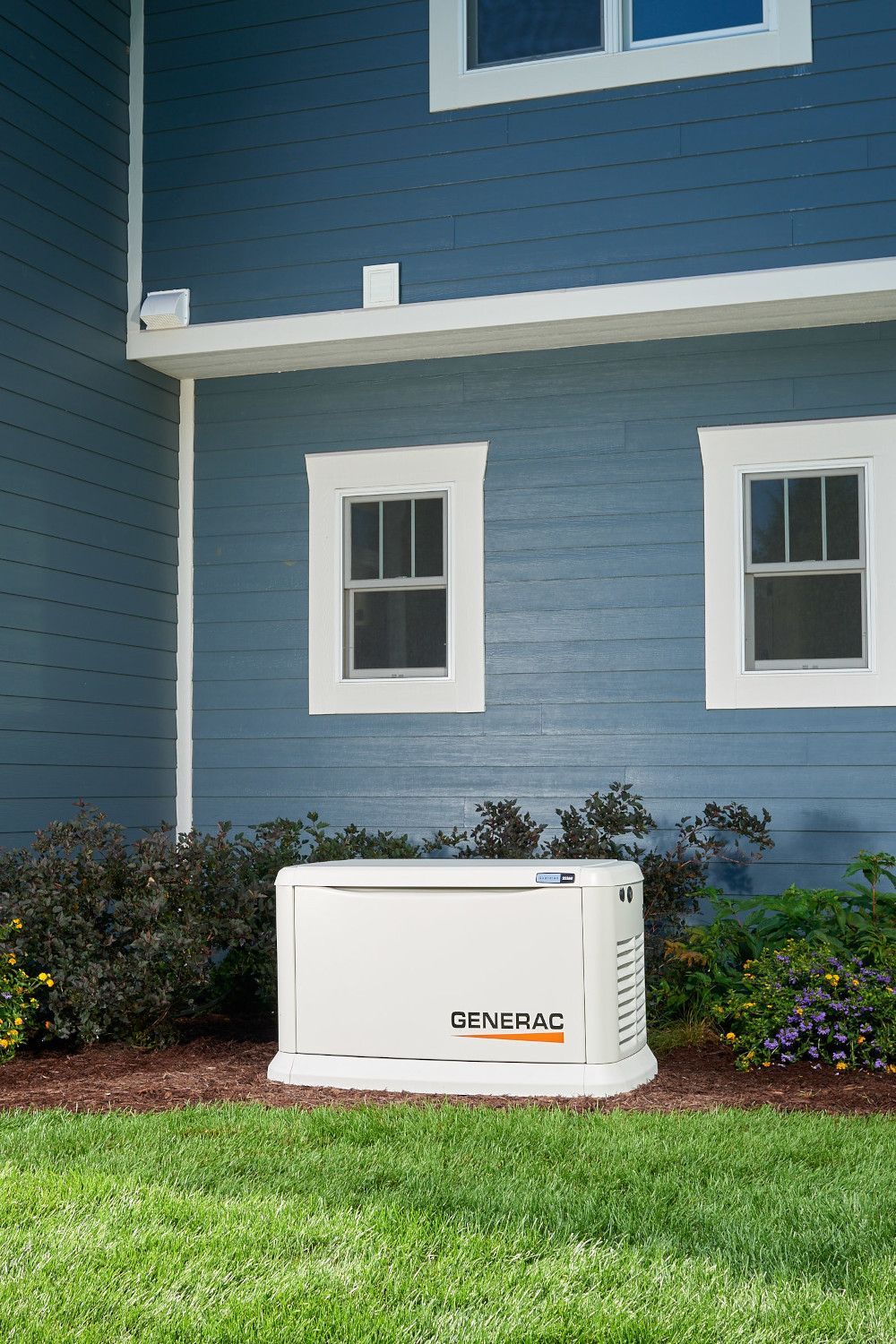
Standby generators are permanently installed, connected directly to your electrical system, and kick on automatically when the power goes out. These are ideal for homeowners wanting uninterrupted power during storms or grid failures.
The units alone usually range from $3,000 to $8,000, but installation often brings the total to $7,000–$15,000. They require professional installation, gas hookups, and possibly an upgraded panel — best left to the pros like Surge Electrical.
Whole-Home Generator Systems
Whole-home systems are the top-tier solution, offering seamless, full-power operation across your entire property. These beasts are built to handle everything from your fridge to your HVAC system without breaking a sweat.
Expect to pay $10,000 to $20,000 or more, including installation. The price reflects not just the unit but the complexity of making your entire home generator-ready. While costly, many homeowners find peace of mind worth the price tag — especially in areas prone to outages.
Cost Breakdown: Equipment vs Installation
When budgeting for a backup generator, it’s crucial to separate equipment costs from installation expenses. While the unit itself may be the star of the show, installation often plays a supporting — and surprisingly expensive — role.
Here’s a basic breakdown:
- Equipment (generator unit): $500–$15,000+
- Installation (labor, materials, permits): $1,000–$10,000+
In many cases, installation can double your final bill. Hiring a licensed professional ensures your system is safe, code-compliant, and durable. Want a personalized quote? Contact Surge Electrical for a quick estimate based on your home's setup.
By entering your phone number, you consent to receive marketing texts from Surge Electrical. Msg & data rates may apply. Reply “STOP” to opt out.
Backup Generator Installations You Can Rely On—Every Time
Thinking about a backup generator? Surge Electrical offers licensed, professional installation throughout the Greater Seattle area. Whether you’re preparing for storm season or protecting a home office, we provide expert guidance, safe installation, and reliable power—without the stress.
Trusted by homeowners and businesses throughout the Greater Seattle area




Long-Term Costs: Fuel, Maintenance, and Repairs
Upfront costs aren’t the whole story. Generators come with ongoing expenses, and skipping them can reduce your system’s lifespan. It’s like owning a car — maintenance keeps everything running smoothly, especially when you need it most.
Here’s what to consider long-term:
- Fuel: Portable generators often run on gasoline, while standby units use natural gas or propane. Fuel prices fluctuate, and costs can add up fast during long outages.
- Maintenance: Oil changes, filter replacements, and load testing should be done annually. Expect $150–$300 per year depending on usage and service plans.
- Repairs: Parts can wear down over time. Common repairs include battery replacement, control board fixes, and fuel system servicing.
For more tips on maintenance, check out our guide to electrical inspections — a solid habit for generator owners too.
Is a Backup Generator Worth the Investment?
Short answer: it depends on your priorities. If you live in an area with frequent blackouts or you work from home, a generator can feel like a necessity. For others, it’s more about convenience and peace of mind. Either way, it’s worth crunching the numbers based on your home’s size, outage frequency, and power needs.
When you consider potential losses from spoiled food, burst pipes, or lost productivity, a backup generator starts looking like a wise investment. Not to mention, it can boost your home's resale value and attract buyers in outage-prone regions. Still unsure? Talk to a local electrician in Issaquah or your city to evaluate if a generator fits your specific setup.
Tips to Save Money on Your Generator Installation
Backup generators are a big-ticket item — but that doesn’t mean you have to overpay. Smart planning and a little legwork can shave thousands off your total cost. Here are some tried-and-true tips to stay on budget:
- Get multiple quotes: Prices vary between electricians. Compare detailed estimates to find the best deal.
- Bundle services: If you're planning electrical upgrades (like rewiring), doing them alongside generator install can lower labor costs.
- Shop off-season: Prices and wait times tend to spike during storm seasons. Book your install during milder months for better rates.
- Look for rebates: Some utilities offer rebates for efficient standby units — check your provider's programs.
- Work with trusted pros: A reliable electrician will avoid costly mistakes. Check out Surge Electrical’s reviews to see how we help homeowners stay safe and save money.
Wrapping It Up
Choosing a backup generator isn’t just about buying a machine — it’s about preparing your home and family for unexpected disruptions. From upfront equipment costs to long-term maintenance, understanding the full picture ensures you make a smart, informed investment. And let’s be honest — no one wants to be Googling generator prices in the middle of a blackout.
Whether you’re leaning toward a portable model or considering a full-home standby system, getting advice from a trusted electrician is key. Surge Electrical is here to help with honest recommendations, licensed installation, and local expertise you can count on. Don’t wait for the lights to go out — take charge now and keep your home powered when it matters most.

Proudly Serving the Greater Seattle Area
Whether you're in a quiet cul-de-sac in Sammamish or a busy neighborhood in Tacoma, Surge Electrical delivers expert, licensed service you can count on. We cover a wide service area to bring fast response times, transparent pricing, and trustworthy workmanship to homes and businesses across the region.
- Seattle, WA
- West Seattle, WA
- Bellevue, WA
- Redmond, WA
- Kirkland, WA
- Issaquah, WA
- Sammamish, WA
- Renton, WA
- Newcastle, WA
- Mercer Island, WA
- Maple Valley, WA
- Kent, WA
- Covington, WA
- North Bend, WA
- SeaTac WA
- Tukwila, WA
- White Center, WA
Additional Service Areas
- Algona, WA
- Auburn, WA
- Ballard, WA
- Ballinger, WA
- Beacon Hill, WA
- Belltown, WA
- Boradview, WA
- Bothell, WA
- Browns Point, WA
- Burien, WA
- Capitol Hill, WA
- Carnation, WA
- Clyde Hill, WA
- Cottage Lake, WA
- Dash Point, WA
- Delridge, WA
- Des Moines, WA
- Duval, WA
- East Renton Highlands, WA
- Eastgate, WA
- Fairwood, WA
- Federal Way, WA
- Forest Villa, WA
- Fremont, WA
- George Town, WA
- Green Lake, WA
- Greenwood, WA
- Haller Lake, WA
- Inglewood, WA
- Juanita, WA
- Klahanie, WA
- Lake City, WA
- Lake Forest Park, WA
- Leschi, WA
- Madison Park, WA
- Madison Valley, WA
- Madrona, WA
- Magnolia, WA
- Maple Leaf, WA
- Medina, WA
- Moorlands, WA
- Muckleshoot, WA
- North City, WA
- Northgate, WA
- Pacific, WA
- Phinney Ridge, WA
- Pine Lake, WA
- Queen Anne, WA
- Rainier Valley, WA
- Redmond Ridge East, WA
- Ridgecrest, WA
- Richmond Beach, WA
- Shoreline, WA
- Snoqualmie, WA
- Trilogy, WA
- Trossachs, WA
- Univercity District, WA
- Union Hill-Novelty Hill, WA
- Washington Park, WA
- Woodinville, WA
You're Just One Step Away From Safe, Reliable Electrical Work
Tell us about your project — whether it’s a repair, upgrade, or installation, we’re ready to help.
Frequently Asked Questions
Most standby generators last 10–15 years with proper maintenance. Portable models may last 5–10 years depending on usage and care.
Yes, most cities require permits for generator installation. This ensures the setup meets local safety and electrical codes.
You can install portable units, but standby generators should always be installed by a licensed electrician due to fuel and electrical risks.
Natural gas is most common for standby systems. Portable units often run on gasoline or propane. Choose based on availability and storage.
Yes, especially in areas with frequent outages. Whole-home systems are a strong selling point for potential buyers.
It depends on what you want to power. A 5,000–7,500 watt unit covers essentials, while 20,000+ watts supports whole-house needs.
Yes, inverter generators and newer standby models are designed for lower noise output — ideal for residential neighborhoods.
Many electrical contractors offer financing plans. Be sure to ask during your estimate to see available options.
Regular oil changes, filter replacements, and yearly inspections are key. Some companies offer service plans to make this easy.
Ideally, plan installation at least 4–6 weeks ahead. Scheduling fills up quickly during peak weather seasons.
Reliable Backup Generator Installation Services in Seattle and Beyond
If you’re researching backup generator costs or planning a new installation, Surge Electrical is your trusted partner in the Greater Seattle area. With years of experience installing everything from residential electrical systems to advanced panel upgrades, our licensed electricians deliver code-compliant, efficient, and safe generator installations that fit your home and budget.
Whether you're in Bellevue, Kirkland, Redmond, or Seattle, we understand the local building codes and weather-related power risks that homeowners face. From evaluating load capacity to ensuring proper fuel line connections, we handle every detail with precision and professionalism.
Need help choosing the right generator? Want an honest estimate without the upsell? Contact Surge Electrical for a free consultation. We’ll help you find a reliable solution that protects your home, lowers outage stress, and adds long-term value to your property.
Explore our other services like EV charger installation and home rewiring to fully modernize your home’s power infrastructure.
