

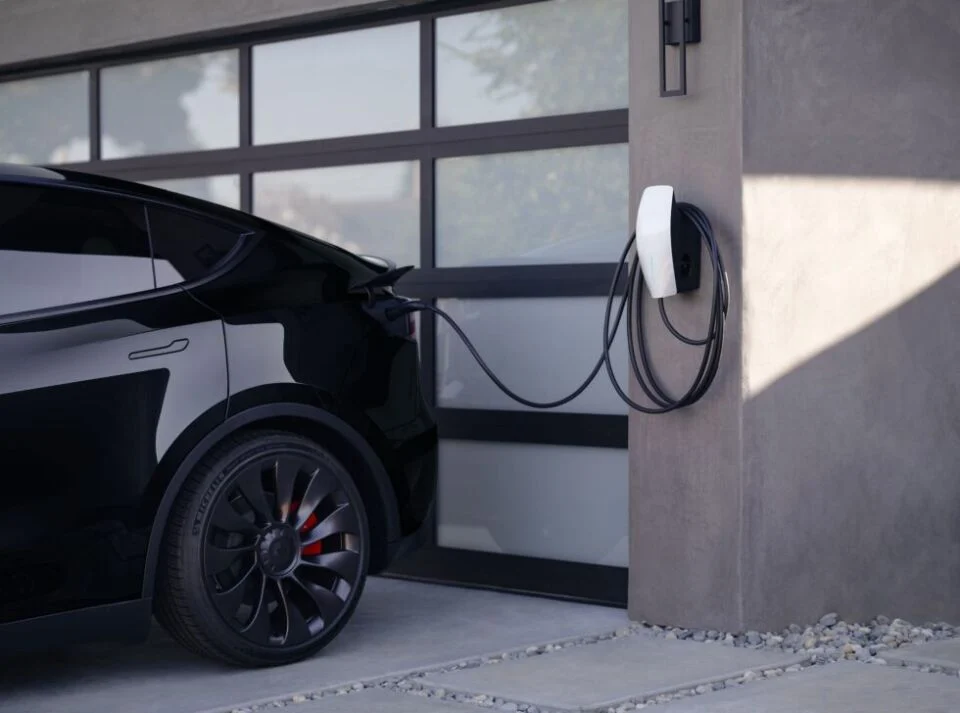
Choosing the correct breaker size for an EV charger is essential for safe and reliable home charging. Whether you're installing a Level 2 charger or a Tesla Wall Connector, breaker size, panel capacity, and load calculation all play a role in ensuring your electrical system can handle the demand.
This guide explains EV charger breaker size, required amps, 100 amp vs 200 amp panels, and when a panel upgrade may be necessary.
How Many Amps Does a Level 2 EV Charger Require?
Most Level 2 chargers operate between 30 and 50 amps. Some higher-output models may require even more. Because EV charging is considered a continuous load, breaker sizing must follow the 125% rule under National Electrical Code (NEC) guidelines.
For example:
- 32-amp charger → 40-amp breaker
- 40-amp charger → 50-amp breaker
- 48-amp charger → 60-amp breaker
You can review NEC load requirements through the National Electrical Code (NEC) for detailed safety standards.
What Size Breaker for an EV Charger?
The correct breaker size for an EV charger depends on the charger’s rated output. Many homeowners search for “what size breaker for EV charger” because choosing incorrectly can lead to overheating, nuisance trips, or code violations.
A licensed electrician will evaluate your panel, confirm available capacity, and install a properly sized dedicated 240V circuit. If you are planning a new installation, professional EV charger installation services ensure correct breaker sizing and wiring.
Recent Posts
POWER OUT IN PART OF YOUR HOME? DON’T WAIT — GET IT CHECKED.
When half your house has no power or outlets stop working without a tripped breaker, it can signal a serious electrical problem.
Our licensed electricians serve Sammamish, Issaquah, Bellevue, and nearby areas to diagnose and fix partial power loss fast.
Schedule an ElectricianCan a 100 Amp Panel Support an EV Charger?
A 100 amp panel EV charger setup may work in certain homes, but only if overall household load remains within safe limits. If your home runs electric heat, range, dryer, or other high-demand appliances, capacity may already be close to maximum.
Warning signs your panel may be overloaded include:
- Breakers frequently tripping
- Flickering lights
- Warm breaker panel surface
- Limited breaker space
If you notice these symptoms, review common signs your breaker panel is overloaded before adding an EV charger.
When Do You Need a 200 Amp Panel for an EV Charger?
A 200 amp panel for EV charger installations is often recommended when a 100-amp service lacks sufficient capacity. This is especially common in older homes.
If a load calculation shows your service cannot safely support a new 40–60 amp circuit, upgrading to 200-amp service provides long-term flexibility for EV charging and future electrical additions.
Homeowners considering increased capacity can explore electrical panel upgrade options to determine whether a service upgrade is appropriate.
What Is Load Calculation for EV Charger Installation?
Load calculation for EV charger installation determines whether your existing panel can handle the added demand. Electricians evaluate total connected load, breaker sizes, service rating, and continuous load requirements.
EV charger load calculation considers:
- Main service amperage
- Existing appliance demand
- Available breaker space
- Continuous load adjustments (125% rule)
This step prevents overheating and ensures compliance with electrical code standards.

NOT SURE IF IT’S AN ELECTRICAL EMERGENCY?
Half of your home without power? Outlets not working? Lights flickering with no tripped breaker? These can point to a serious electrical problem that should not be ignored.
Call, text, or request service online — our licensed electricians serve all of King County and respond fast when power issues strike.
EV Charger Installation Requirements
EV charger installation requirements typically include a dedicated 240V circuit, correct breaker size, proper wire gauge, grounding, and in many cases, electrical permits and inspection.
Some homes may require panel modifications or rewiring before installation. Reviewing complete residential electrical services helps homeowners understand what may be required before installing an electric vehicle charging station.
Tesla Wall Charger Requirements
Tesla Wall Charger requirements follow similar breaker sizing rules but may vary depending on output configuration. Tesla chargers can be set for different amperage levels, which directly affects breaker size and wiring.
If you are installing a Tesla-specific charger, professional Tesla Wall Connector installation ensures proper breaker sizing and safe panel integration.
When Is a Panel Upgrade Required Before Installing an EV Charger?
A panel upgrade before EV charger installation is required when your service lacks capacity or available breaker space. If your panel is outdated, frequently trips, or shows signs of wear, upgrading may be the safest long-term solution.
Learn more about why homeowners upgrade their electrical panels and how modern service capacity supports electric vehicle charging systems.
Final Thoughts on EV Charger Breaker Size and Panel Capacity
Determining what size breaker for electric car charger installations requires more than guessing amperage. Proper breaker sizing, load calculation, and code compliance protect your home and ensure reliable EV charging.
If you are unsure whether your panel can support a Level 2 charger, consulting a licensed electrician is the safest way to evaluate capacity and determine whether upgrades are necessary.
Need an Electrician in the Seattle Area?
If you’re in Bellevue, Renton, Kent, Sammamish, Issaquah, or nearby, our licensed electricians can help with repairs, upgrades, and installations.
Explore our services and areas below or call for fast, local service.
Need an Electrician? We Can Help.
From small repairs to full system upgrades, our licensed electricians are ready to help. Fast response. Quality work. Guaranteed.
Available 7 Days a Week
Services We Offer
Professional electrical services for your home or business.
Electrical Repairs
Troubleshooting, repairs, and safety inspections.
Panel Upgrades
Upgrade your panel for more power and safety.
EV Charger Installation
Fast, safe installation for all major EV brands.
Dedicated Circuits
Add power for appliances, EVs, hot tubs, and more.
Lighting Installation
Indoor, outdoor, recessed, accent and more.
Areas We Serve
Proudly serving the Eastside and South King County.
Licensed. Insured. Local.
We're a local team you can count on for safe, code-compliant work.
Proudly Serving the Greater Seattle Area
Whether you're in a quiet cul-de-sac in Sammamish or a busy neighborhood in Tacoma, Surge Electrical delivers expert, licensed service you can count on. We cover a wide service area to bring fast response times, transparent pricing, and trustworthy workmanship to homes and businesses across the region.
- Seattle, WA
- West Seattle, WA
- Bellevue, WA
- Redmond, WA
- Kirkland, WA
- Issaquah, WA
- Sammamish, WA
- Renton, WA
- Newcastle, WA
- Mercer Island, WA
- Maple Valley, WA
- Kent, WA
- Covington, WA
- North Bend, WA
- SeaTac WA
- Tukwila, WA
- White Center, WA
Additional Service Areas
- Algona, WA
- Auburn, WA
- Ballard, WA
- Ballinger, WA
- Beacon Hill, WA
- Belltown, WA
- Boradview, WA
- Bothell, WA
- Browns Point, WA
- Burien, WA
- Capitol Hill, WA
- Carnation, WA
- Clyde Hill, WA
- Cottage Lake, WA
- Dash Point, WA
- Delridge, WA
- Des Moines, WA
- Duval, WA
- East Renton Highlands, WA
- Eastgate, WA
- Fairwood, WA
- Federal Way, WA
- Forest Villa, WA
- Fremont, WA
- George Town, WA
- Green Lake, WA
- Greenwood, WA
- Haller Lake, WA
- Inglewood, WA
- Juanita, WA
- Klahanie, WA
- Lake City, WA
- Lake Forest Park, WA
- Leschi, WA
- Madison Park, WA
- Madison Valley, WA
- Madrona, WA
- Magnolia, WA
- Maple Leaf, WA
- Medina, WA
- Moorlands, WA
- Muckleshoot, WA
- North City, WA
- Northgate, WA
- Pacific, WA
- Phinney Ridge, WA
- Pine Lake, WA
- Queen Anne, WA
- Rainier Valley, WA
- Redmond Ridge East, WA
- Ridgecrest, WA
- Richmond Beach, WA
- Shoreline, WA
- Snoqualmie, WA
- Trilogy, WA
- Trossachs, WA
- Univercity District, WA
- Union Hill-Novelty Hill, WA
- Washington Park, WA
- Woodinville, WA
Frequently Asked Questions
Most Level 2 EV chargers require a 40 to 60 amp breaker depending on the charger’s output. Because EV charging is considered a continuous load, the breaker must be sized at 125% of the charger’s rated amperage. For example, a 40-amp charger typically requires a 50-amp breaker.
A 100 amp panel can sometimes support an EV charger, but only if a load calculation confirms there is enough available capacity. Homes with electric heat, ranges, dryers, or other high-demand appliances may require a panel upgrade before installing a dedicated 240V circuit.
Not always. A 200 amp panel is recommended when your existing service lacks capacity or breaker space. If your load calculation shows insufficient capacity, upgrading to 200 amps ensures safe EV charger installation and allows room for future electrical additions.
A load calculation for EV charger installation evaluates your home’s total electrical demand to determine whether your panel can safely handle the additional continuous load. This includes reviewing main service amperage, existing circuits, and NEC 125% continuous load requirements.
Tesla Wall Connector requirements vary depending on output settings. Many installations use a 50-amp or 60-amp breaker. The exact breaker size depends on configured amperage and proper wiring requirements for safe operation.
EV Charger Breaker Size, Panel Capacity & Electrical Requirements Explained
Determining what size breaker for EV charger installations requires understanding Level 2 charger amps required, EV charger breaker size, electrical panel capacity, and load calculation for EV charger systems. Most Level 2 EV charger installations require a dedicated 240V circuit with proper breaker sizing based on continuous load rules under the National Electrical Code (NEC). Whether you are evaluating a 100 amp panel EV charger setup or considering a 200 amp panel for EV charger capacity, professional load calculation ensures safe installation and long-term electrical reliability.
Many homeowners researching EV charger installation requirements also search for electrical panel upgrade for EV charger, breaker size for electric car charger, Tesla Wall Charger requirements, and wiring requirements for electric car charger systems. If your panel cannot support a new 40–60 amp breaker, a home electrical panel upgrade may be required before installing a dedicated circuit. Signs of insufficient capacity often include overloaded panels, frequent breaker trips, or limited breaker space. Review common signs of an overloaded breaker panel before proceeding with EV charger installation.
Professional EV charger installation services evaluate panel rating, breaker size, load demand, and service capacity to ensure compliance with NEC Article 625 EV charging standards. For Tesla-specific installations, proper breaker sizing and wiring configuration are required for safe Tesla Wall Connector installation. You can review national safety standards through the National Electrical Code (NEC) and general EV charging guidelines from the U.S. Department of Energy Alternative Fuels Data Center.
Understanding EV charger load calculation, breaker size for Level 2 charger systems, panel upgrade before EV charger installation, and electrical permit requirements ensures safe, code-compliant home charging infrastructure designed for long-term performance.
