
What Does a Circuit Breaker Do, Anyway?
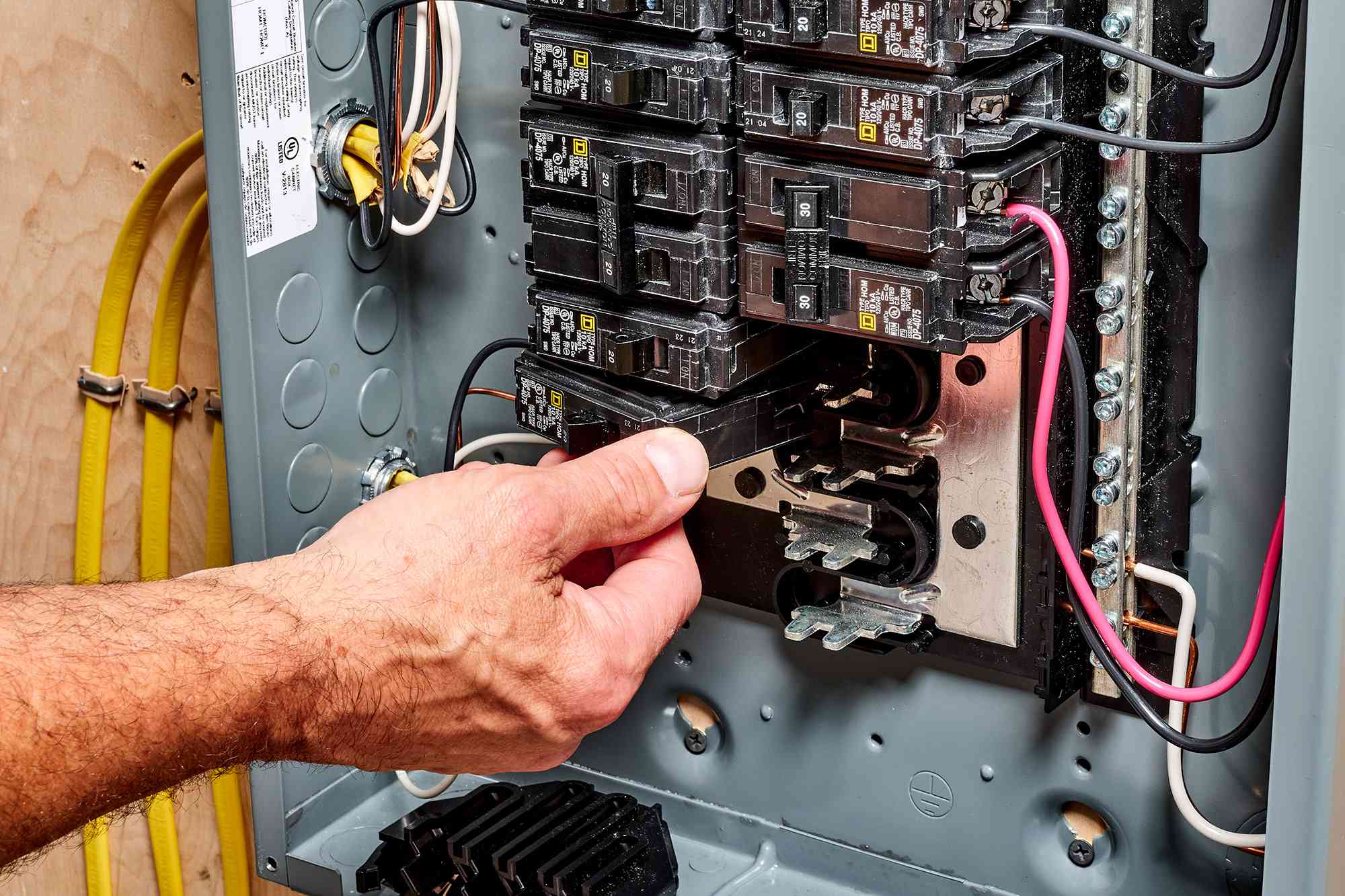
Let’s start with the basics. A circuit breaker is a crucial safety device that protects your home’s electrical system from overheating or catching fire. When it “trips,” it's cutting off electricity to prevent overloads or faults — basically acting like a referee that blows the whistle when things get too intense. If your breaker keeps tripping, it’s doing its job, but it’s also waving a red flag that something’s not quite right.
Understanding how your breaker interacts with your home’s electrical load helps uncover the root cause of the problem. Homes today are filled with high-powered appliances, electronics, and devices — many of which demand more electricity than older systems can handle. That constant demand, especially when it's too much for one circuit, is often why things go dark. Let’s look at why this happens and when you should stop resetting that breaker and call a pro instead.
Understanding Your Home’s Electrical Load
Every circuit in your home has a limit, kind of like how much weight a shelf can hold. When you exceed that limit by plugging in too many high-wattage devices, the breaker trips to protect the system. This is called an overloaded circuit, and it’s one of the most common causes of tripping. Homes without dedicated circuits for appliances like microwaves, washers, or dryers are especially vulnerable.
To avoid overloads, power should be evenly distributed across circuits. If you’re constantly unplugging things to use other appliances, it’s probably time to upgrade your electrical panel or add new circuits. Knowing your load capacity — and respecting it — can keep your lights on and your frustration low.
The Role of Breakers in Electrical Safety
More than just a switch, a breaker is a vital safety barrier between you and potential electrical disasters. It detects spikes in current and cuts the power immediately. If it didn’t, your wiring could overheat, possibly causing a fire behind the walls — and no one wants that surprise. Breakers are especially important in preventing damage during short circuits, ground faults, or when there’s a wiring issue that isn’t visible from the outside.
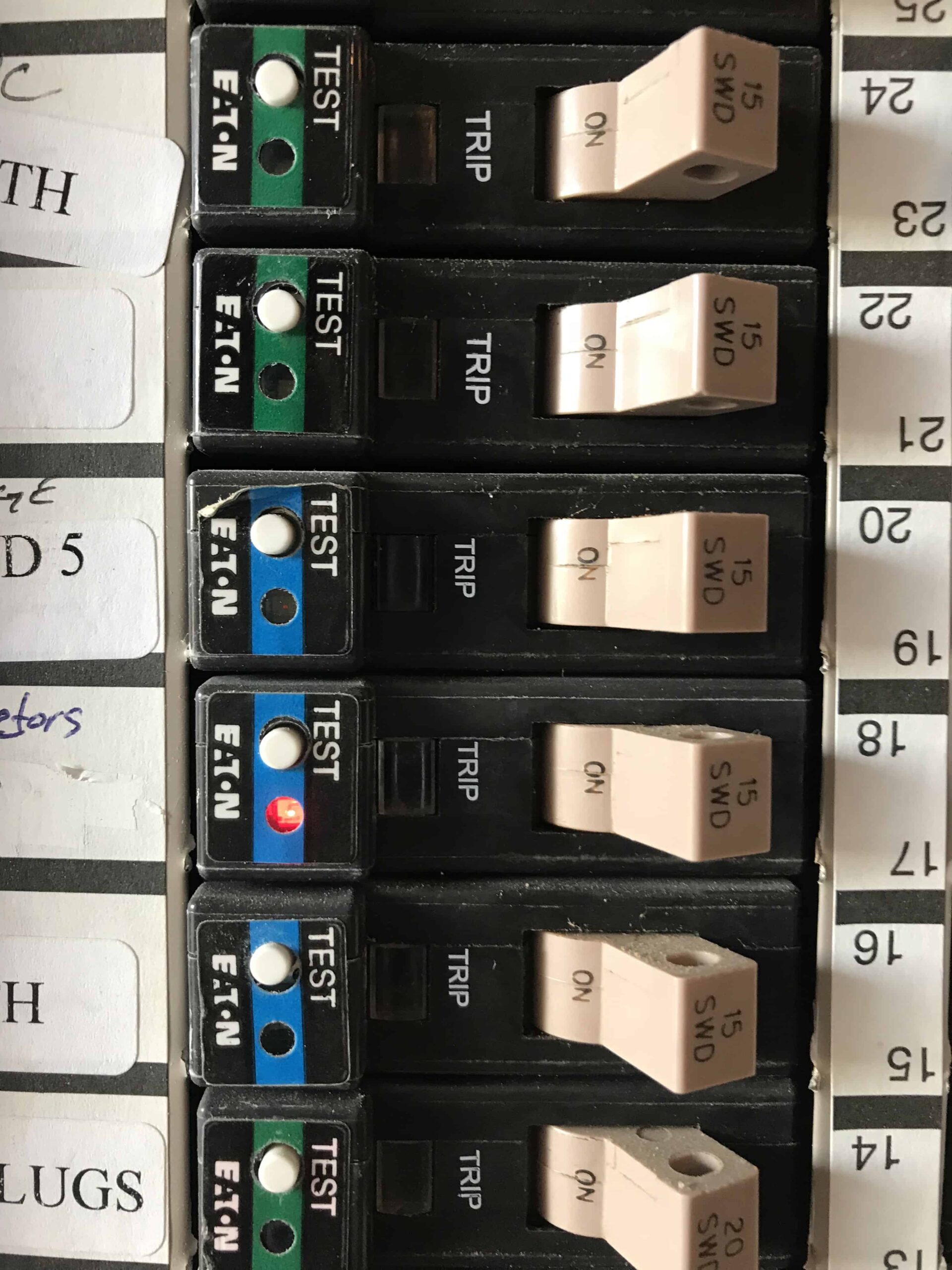
Many modern homes now use arc fault and ground fault circuit interrupters (AFCIs and GFCIs), which take safety a step further. These breakers detect dangerous conditions even faster, and if yours are tripping regularly, there may be hidden damage or faulty wiring involved. In cases like that, calling an emergency electrician isn't just smart — it’s necessary.
Recent Posts
- Why Do LED Lights Flicker? 9 Common Causes & Easy Fixes
- Why Won’t My Circuit Breaker Reset? 7 Causes Homeowners Should Check First
- Why Is My GFCI Outlet Not Working? 7 Common Causes & Quick Fixes
- How to Tell If an Electrical Circuit Is Overloaded
- Outlet Stopped Working but the Breaker Isn’t Tripped? 7 Common Causes
BREAKER KEEP TRIPPING?
Don’t risk your safety — our licensed electricians in Seattle quickly diagnose and fix tripping breakers, overloaded circuits, and faulty wiring.
We provide fast, code-compliant electrical repairs across Renton, Bellevue, Redmond, and nearby areas — all backed by 5-star service.
Schedule Electrical Help NowCommon Reasons Your Breaker Keeps Tripping
So your breaker keeps flipping, and you’re tired of trekking to the panel every other day — we get it. But here’s the thing: it’s not just being moody. A tripping breaker usually means your electrical system is trying to protect itself (and you). Identifying the cause can save you time, money, and possibly prevent a hazardous situation. Let’s walk through the most common culprits that could be hiding behind that persistent click.
Overloaded Circuit
This is the heavyweight champion of breaker-tripping issues. When too many devices are drawing power on the same circuit, it can’t handle the load and trips. Think microwaves, toasters, and coffee makers all plugged into the same kitchen outlet — yeah, that’ll do it. The fix? Spread out your usage or talk to a pro about adding more circuits. If it’s happening often, your home might need a rewiring upgrade or a panel expansion.


Power Your Project, Stress-Free:
Flexible Financing Options
Don't let budget concerns delay the electrical upgrades you need. At Surge Electrical, we make it easier than ever to move forward with flexible payment plans designed to fit your lifestyle and budget. Whether it’s a panel upgrade, EV charger installation, or a major repair, our financing options help you get the work done now—without the financial strain.
Take the first step toward safer, more reliable power today.Short Circuits
A short circuit happens when a hot wire touches a neutral wire, causing a sudden surge of electricity. It’s like a shortcut the system can’t handle, and boom — breaker trips. You may notice a burnt smell or see black marks near outlets. This is one of those issues where DIY is not your friend. It's best to call a licensed electrical repair technician to inspect it immediately.
Ground Faults
These occur when a hot wire touches a grounded part of the system — like a metal box or bare wire — and can be especially dangerous in bathrooms and kitchens. Ground faults can also be caused by water or moisture, which is why GFCI outlets are essential in wet areas. If a breaker trips every time you use an appliance near water, it’s time to call a pro. Don’t ignore this one — it’s a big safety risk.
Arc Faults and What They Mean
Arc faults are like mini lightning bolts inside your walls. They happen when electrical wiring becomes damaged or loose, leading to intermittent sparks. These aren’t just annoying — they’re fire hazards. Modern circuit breakers often include AFCI protection to detect these arcs. If you’ve got newer breakers that keep tripping, they might be doing exactly what they should. Still, a professional inspection is necessary to find and fix the cause.
Faulty Appliances or Wiring
Sometimes the breaker isn’t the issue — the appliance is. Old or malfunctioning devices can draw irregular currents that trip breakers. Similarly, outdated or damaged wiring hidden behind walls can cause the same problem. If you’re unsure, unplug devices one by one to isolate the source. And if your home is older, it might be time to consider a panel or wiring upgrade.
By entering your phone number, you consent to receive marketing texts from Surge Electrical. Msg & data rates may apply. Reply “STOP” to opt out.
Need a Trusted Residential Electrician for Breaker Issues?
Restore safety and peace of mind with expert electrical troubleshooting and circuit breaker repair services from licensed professionals. Whether your breaker keeps tripping, your panel feels warm, or lights flicker constantly — we’ll find the root of the problem and fix it fast.
We specialize in residential-only electrical work, including breaker replacement, panel upgrades, circuit balancing, and emergency electrical repair. Fully licensed, insured, and experienced — we handle code-compliant work you can rely on.
Trusted by Seattle-area homeowners for safe, professional breaker repair and electrical panel service — no commercial jobs, just homes like yours.




Is It Safe to Reset the Breaker Every Time?
We’ve all done it — the lights go out in one room, and the first thing you do is head to the breaker box and flip the switch. And hey, if it works, problem solved... right? Well, not always. While resetting a tripped breaker is fine occasionally, doing it repeatedly without investigating why it’s tripping is risky. You could be ignoring a potentially serious electrical issue just waiting to escalate.
When It’s Okay to Reset
If you overloaded a circuit by running a blender, toaster, and microwave at the same time, resetting the breaker is typically safe — once. Just remember to move those devices to different circuits next time. However, if it’s happening often, it’s not a coincidence. Your electrical system might be outdated, underpowered, or even hazardous. Consider a quick consultation with a licensed electrician in Bellevue or nearby to be safe.
Warning Signs You Shouldn’t Ignore
- The breaker trips immediately after resetting
- You smell something burning or see discoloration around outlets
- You hear buzzing or crackling sounds near the panel
- Lights flicker, especially when appliances are turned on
These are signs that go beyond a simple overload. You could be dealing with a faulty breaker, aging wiring, or a serious short. In that case, resetting it doesn’t solve the problem — it masks it. At that point, it’s time to call an electrician and let them do a full safety inspection.

Need a licensed electrician? We’re ready to help — permits, panels, wiring & more.
You're Just One Step Away From Safe, Reliable Electrical Work
Tell us about your project — whether it’s a repair, upgrade, or installation, we’re ready to help.
When You Need a Licensed Electrician
There’s a fine line between a one-time trip and a full-blown electrical hazard. Knowing when to call in a pro can save you from costly damage — or worse. If you find yourself resetting breakers more than once or scratching your head over why it keeps happening, it's time to get serious. Licensed electricians bring tools, experience, and training that go way beyond trial and error. Let’s look at when it’s not just a smart choice, but a necessary one.
Recurring Trips That Won’t Stop
If the same breaker keeps tripping repeatedly, even after you’ve reduced the load or unplugged appliances, there’s likely a deeper issue. Constant tripping could signal a failing breaker, degraded wiring, or more complex problems like an arc fault. This is where professional diagnosis becomes crucial. An experienced tech can test the circuits, inspect for damage, and determine if your panel needs upgrading or if something else is at fault. Don’t wait for something to spark — get it checked.
Signs of Serious Electrical Issues
Beyond breaker tripping, keep an eye (and nose) out for bigger problems. Burn marks around outlets, warm wall plates, flickering lights, or strange smells are often early signs of electrical failure. These issues are not DIY-friendly — in fact, trying to fix them without proper training could make things worse. If you’re experiencing any of these, call a licensed electrician for repairs as soon as possible. The cost of a service call is far less than the cost of repairing fire damage.
Upgrading an Outdated Breaker Panel
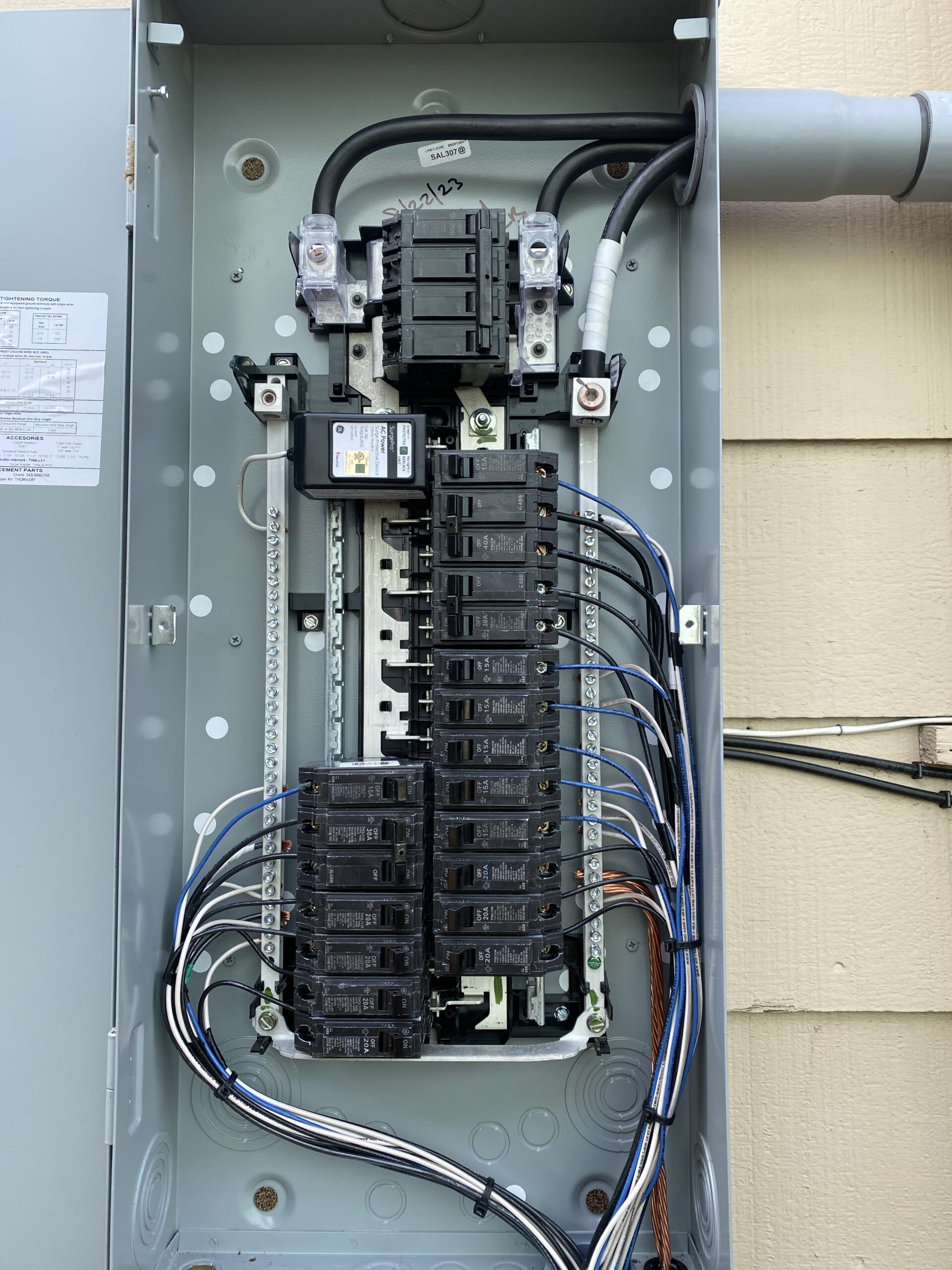
Homes built decades ago often still run on old fuse boxes or small 100-amp panels — and they weren’t designed to support modern living. With today’s tech, appliances, and EV chargers, your system might already be maxed out. That leads to — you guessed it — tripping breakers. Upgrading your panel not only solves this issue but also improves safety and adds value to your home. Learn more about electrical panel upgrades here.
How to Prevent Future Tripping Issues
Let’s face it — constantly resetting breakers isn’t just annoying, it’s a red flag. Luckily, there are steps you can take to prevent tripping problems before they even start. A mix of smarter energy usage, regular maintenance, and a few strategic upgrades can make all the difference. Whether your home is 5 or 50 years old, investing in electrical safety now helps avoid bigger headaches later. Here’s how to stay ahead of the curve.
Distribute Power Loads Properly
One of the simplest (yet most overlooked) fixes is balancing the load across your circuits. Don’t plug all your heavy-hitters — like your air fryer, toaster oven, and espresso machine — into the same outlet. Spread appliances across different areas or circuits. If outlets are limited, it might be time to install additional circuits or upgrade your panel entirely. A licensed pro can help map out your current layout and suggest improvements tailored to your lifestyle.
Schedule an Electrical Inspection
Annual inspections are a must — even if everything seems fine. Over time, connections loosen, wires degrade, and safety standards change. A certified electrician can catch early warning signs before they become emergencies. If you haven’t had an inspection in years (or ever), start here: Why Annual Inspections Matter. Trust us, this small step can save you a world of trouble — and cost — down the road.
Consider Panel or Wiring Upgrades
If your home is older or you're using more power than before (think EV chargers, high-wattage appliances, etc.), your electrical system might be falling behind. Upgrading your panel or replacing outdated wiring reduces the risk of tripped breakers, outages, or worse — electrical fires. Surge Electrical offers rewiring and upgrade services designed to bring your system up to code and ready for modern needs. Peace of mind, powered up.

READY TO FIX THAT TRIPPING BREAKER FOR GOOD?
Licensed King County electricians, fast diagnostics, and code-compliant repairs — we’ve got your electrical issue covered.
Call, text, or request service online — we’re ready when you are.
Serving the Greater Seattle Area with Reliable Repairs
If you’re living in the Seattle area and tired of playing electrician every time your breaker flips, you’re not alone. Surge Electrical proudly serves homeowners across King County with fast, safe, and reliable electrical services. Whether your issue is minor or urgent, our licensed pros are ready to help you restore power — and peace of mind — without the guesswork.
Emergency Electrical Help
Sometimes, waiting isn’t an option. If your breaker keeps tripping late at night or you smell something burning near the panel, it’s time to call an emergency electrician. Surge Electrical offers 24/7 emergency services for critical situations like short circuits, panel failures, or unexplained outages. Don’t risk your safety — get it fixed by someone who knows exactly what they’re doing.
Proudly Serving the Greater Seattle Area
Whether you're in a quiet cul-de-sac in Sammamish or a busy neighborhood in Tacoma, Surge Electrical delivers expert, licensed service you can count on. We cover a wide service area to bring fast response times, transparent pricing, and trustworthy workmanship to homes and businesses across the region.
- Seattle, WA
- West Seattle, WA
- Bellevue, WA
- Redmond, WA
- Kirkland, WA
- Issaquah, WA
- Sammamish, WA
- Renton, WA
- Newcastle, WA
- Mercer Island, WA
- Maple Valley, WA
- Kent, WA
- Covington, WA
- North Bend, WA
- SeaTac WA
- Tukwila, WA
- White Center, WA
Additional Service Areas
- Algona, WA
- Auburn, WA
- Ballard, WA
- Ballinger, WA
- Beacon Hill, WA
- Belltown, WA
- Boradview, WA
- Bothell, WA
- Browns Point, WA
- Burien, WA
- Capitol Hill, WA
- Carnation, WA
- Clyde Hill, WA
- Cottage Lake, WA
- Dash Point, WA
- Delridge, WA
- Des Moines, WA
- Duval, WA
- East Renton Highlands, WA
- Eastgate, WA
- Fairwood, WA
- Federal Way, WA
- Forest Villa, WA
- Fremont, WA
- George Town, WA
- Green Lake, WA
- Greenwood, WA
- Haller Lake, WA
- Inglewood, WA
- Juanita, WA
- Klahanie, WA
- Lake City, WA
- Lake Forest Park, WA
- Leschi, WA
- Madison Park, WA
- Madison Valley, WA
- Madrona, WA
- Magnolia, WA
- Maple Leaf, WA
- Medina, WA
- Moorlands, WA
- Muckleshoot, WA
- North City, WA
- Northgate, WA
- Pacific, WA
- Phinney Ridge, WA
- Pine Lake, WA
- Queen Anne, WA
- Rainier Valley, WA
- Redmond Ridge East, WA
- Ridgecrest, WA
- Richmond Beach, WA
- Shoreline, WA
- Snoqualmie, WA
- Trilogy, WA
- Trossachs, WA
- Univercity District, WA
- Union Hill-Novelty Hill, WA
- Washington Park, WA
- Woodinville, WA
So, Why Does Your Breaker Keep Tripping?
Your circuit breaker isn’t just being difficult — it’s trying to tell you something. Whether it's an overloaded circuit, a short, a faulty appliance, or aging wiring, tripping breakers should never be ignored. Understanding the cause is the first step to solving the problem. But if you’re dealing with recurring trips or signs of electrical damage, it’s time to put the tools down and call a professional.
Surge Electrical is here to help you stay safe, powered, and stress-free. From quick repairs to full panel upgrades and rewiring, our licensed electricians serve the greater Seattle area with expert-level care. Don’t gamble with your home’s electrical system — get in touch today for a fast, trusted solution.
Frequently Asked Questions
It usually means there’s an electrical fault — like an overloaded circuit, short circuit, or ground fault. Frequent trips suggest an issue that needs inspection by a licensed electrician.
Only once or twice. If it keeps tripping, it’s a warning sign. Repeated resets without fixing the cause can lead to overheating or fire risks.
You can unplug devices and reset the breaker, but if it keeps happening or there's a burning smell or flickering lights, you should call a professional immediately.
If you’re frequently blowing breakers, using power strips everywhere, or planning to install high-demand appliances (like EV chargers), it’s likely time for an upgrade.
Surge Electrical serves Seattle and nearby areas like Bellevue, Redmond, Issaquah, Kirkland, and more. Check the full list here.
Why Circuit Breakers Trip and How Licensed Electricians in Seattle Can Help
If your home circuit breaker keeps tripping, it’s often due to common electrical issues such as overloaded circuits, short circuits, ground faults, or arc faults. These electrical problems not only disrupt power but may also indicate deeper safety concerns within your electrical panel or home wiring. Homeowners in Seattle and surrounding areas searching for “circuit breaker keeps tripping fix,” “breaker won’t stay on,” or “electrician near me for tripped breaker” can rely on trusted local professionals to diagnose and resolve the issue quickly and safely.
Hiring a licensed electrician in Seattle, Bellevue, Redmond, or Issaquah ensures your electrical system meets current code requirements and can handle modern power demands. Whether you need a panel upgrade, GFCI/AFCI installation, or emergency electrical troubleshooting, resolving frequent breaker trips should never be delayed. Surge Electrical offers comprehensive residential electrical services including breaker replacement, electrical panel upgrades, home rewiring, and emergency repairs. Don’t let constant breaker trips risk your safety—schedule an inspection with a certified Seattle-area electrician today.
