
Power Out or Electrical Issue? Knowing the Difference Matters
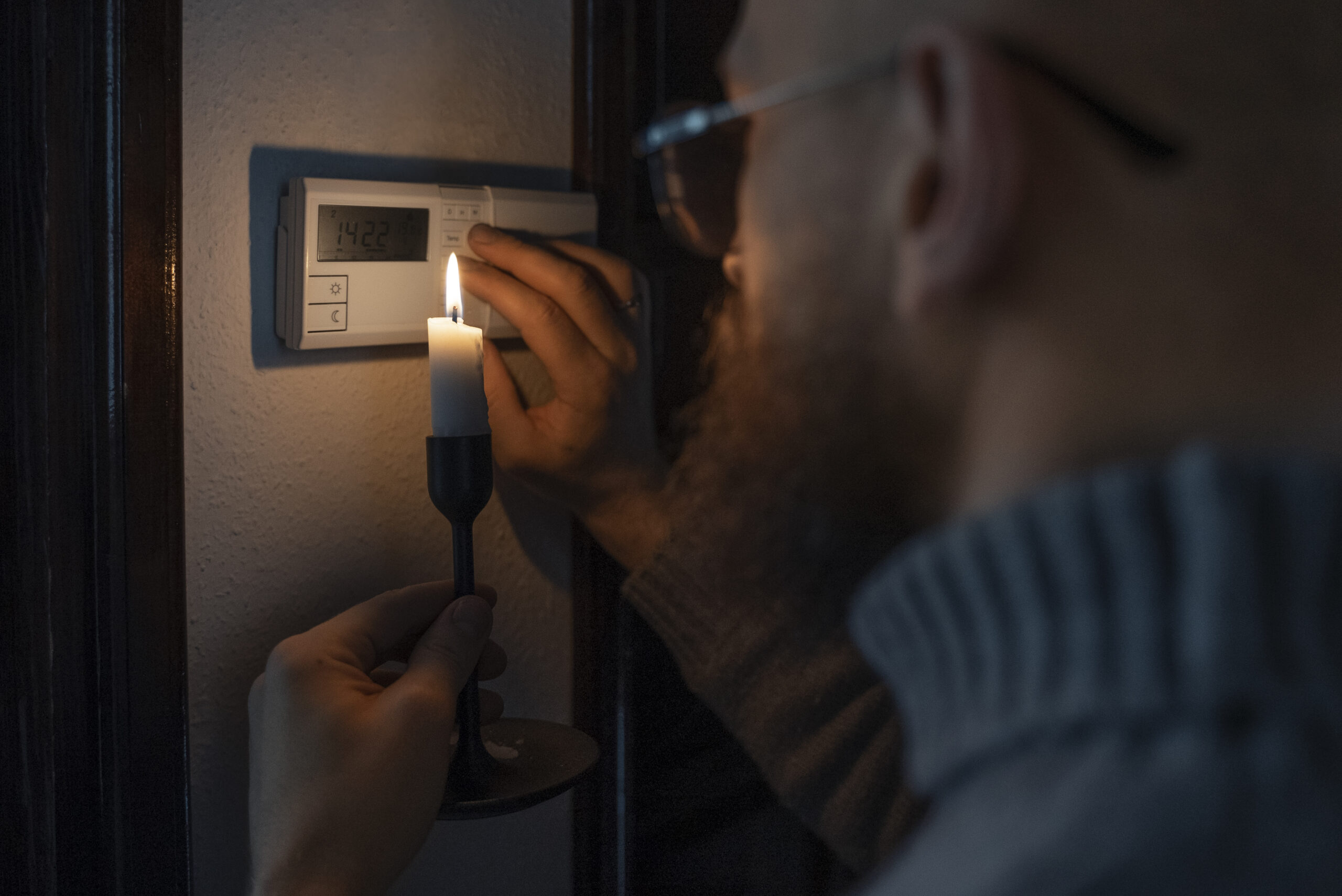
We've all been there — the lights flicker, appliances shut off, and suddenly, you’re standing in the dark wondering: “Is this a power outage or an electrical problem?” While both situations leave you without electricity, the causes and solutions are very different. Knowing which one you're facing can save you time, stress, and even money. More importantly, it can help you stay safe. In this guide, we’ll break down the difference between a power outage vs electrical problem and give you some solid clues to figure it out fast.
Why does this matter? Because calling the power company when it’s your circuit breaker wasting your afternoon isn’t ideal. Or worse, ignoring a serious electrical issue because you think it’s “just the grid” can lead to hazards. Don’t worry — no tech degree needed here. Just a little common sense, some clear signs, and a pinch of good advice from your local electrical repair experts.
Key Takeaways
- Power outage affects multiple homes and often stems from utility or grid issues.
- Electrical problems are isolated to your home and may involve breakers, wiring, or outlets.
- No power in the whole house or in your neighborhood? Likely a utility issue.
- Only one room or outlet not working? It’s probably an internal electrical problem.
- Check your breaker box — it’s often the quickest way to rule out simple fixes.
- Call your power company for outages and an electrician for household issues.
Recent Posts
- Why Do LED Lights Flicker? 9 Common Causes & Easy Fixes
- Why Won’t My Circuit Breaker Reset? 7 Causes Homeowners Should Check First
- Why Is My GFCI Outlet Not Working? 7 Common Causes & Quick Fixes
- How to Tell If an Electrical Circuit Is Overloaded
- Outlet Stopped Working but the Breaker Isn’t Tripped? 7 Common Causes
POWER OUT OR ELECTRICAL ISSUE?
Not sure if it’s a utility outage or something wrong in your home? Don’t play the guessing game—misdiagnosing a power issue can cost you time, safety, and money.
We specialize in fast, expert troubleshooting for power loss, breaker issues, and partial outages in Seattle, Bellevue, Renton, and nearby areas.
Get My Power CheckedWhat Is a Power Outage?
A power outage — also known as a power failure or energy outage — is when electricity stops flowing from the utility grid to your home. This usually affects more than one house at a time, depending on the severity of the issue. You might experience a complete blackout or a rolling outage, which means limited power during peak demand hours. These situations are generally out of your control and need to be handled by your electric utility provider.
If you’re searching for “outages near me” or “power loss near me,” you’re probably not alone in the dark. Your neighbors likely lost power, too. That’s your first major clue that you’re dealing with a grid issue, not something wrong inside your home.
Definition of a Power Outage
A power outage is the total loss of electricity from the grid to one or more areas. This disruption can be short-lived or last for hours or even days, depending on the cause. It’s not just a flicker — it’s a complete halt in electrical service, often requiring the utility company to restore power. These are typically not related to anything inside your home’s wiring or breaker system.
Another term for it? An energy outage. It all means the same thing: your power source from the outside has been cut off. You’ll want to check with your utility provider to confirm and get an estimated time of restoration.
Common Causes of Power Outages
So, what are the most common power outage causes? The usual suspects include:
- Weather-related power outages — storms, wind, and lightning strikes damaging lines
- Grid failure — infrastructure overload or equipment failure at the utility level
- Planned outages — maintenance work or upgrades
- Accidents — like car crashes hitting utility poles
When your area is affected, you’ll often see people online searching for outages near me. Utility providers typically have online outage maps where you can check the current status. If your entire block is dark, chances are you’re not dealing with a home issue — the grid is down.

Power Your Project, Stress-Free:
Flexible Financing Options
Don't let budget concerns delay the electrical upgrades you need. At Surge Electrical, we make it easier than ever to move forward with flexible payment plans designed to fit your lifestyle and budget. Whether it’s a panel upgrade, EV charger installation, or a major repair, our financing options help you get the work done now—without the financial strain.
Take the first step toward safer, more reliable power today.Signs It’s a Utility Power Outage (Not an Electrical Problem)
One of the easiest ways to tell if you're experiencing a power outage vs electrical problem is to look beyond your own walls. If you notice multiple signs of a complete blackout affecting your whole house or your neighbors, you're likely dealing with a utility issue. These situations are typically out of your control and require the utility company to fix.
Still unsure? Let's walk through the key clues to help you make a quick and safe determination. If any of the following situations apply to you, the grid may be the culprit — not your electrical system.
No Power in the Entire Home
If there's no power in the house at all — and we’re talking no lights, no beeping appliances, no Wi-Fi, nada — then you're probably facing a complete power outage. It’s one of the clearest signs that your home is not receiving electricity from the grid.
In this case, double-check your neighbors and take a look online for power loss near me. If there’s a utility issue in your area, there’s a good chance someone else has already reported it. Head to your utility provider’s outage map or call to verify. No need to panic — just grab some candles and wait for an update.
Neighbors Also Have No Power
This one’s a classic tip-off. If your neighbors also have no power, you're almost certainly dealing with a power outage near me situation. It’s rare for individual homes to share identical electrical issues at the same time.
Search “power loss near me” or “outages near me” to confirm the area-wide outage. If several homes on your block are out, the issue is most likely on the utility’s end. Just remember: don’t assume the utility knows already — call or report the outage online if you don’t see it listed.
Lights and Outlets Are All Down
If no electricity in house is the scenario and both your lights and all outlets are dead, that’s a strong indicator of a utility power failure near me. Unless you’ve got a very unusual internal wiring issue (rare), it’s safe to say it’s a broader outage.
This type of light outage affects all circuits at once — not just one part of the home. Still, it’s a good idea to verify at your breaker panel (even if you’re 99% sure). When everything is dead and the panel looks fine, the issue’s almost certainly outside.

Need a licensed electrician? We’re ready to help — permits, panels, wiring & more.
By entering your phone number, you consent to receive marketing texts from Surge Electrical. Msg & data rates may apply. Reply “STOP” to opt out.
Not Sure If It's a Power Outage or Electrical Problem?
Power out in just one room? Neighbors have lights but you don’t? It could be an internal electrical issue—not a utility outage. We’ll find the cause and fix it fast.
We handle residential electrical issues only, including partial outages, breaker problems, and urgent diagnostics across King County. Licensed. Insured. Trusted.
Serving Seattle, Bellevue, Renton, and surrounding areas with safe, code-compliant home electrical repairs.




What Is an Electrical Problem in Your Home?
Now that we’ve covered what a utility power outage looks like, let’s flip the switch — literally. An electrical problem in your house is an issue with your internal wiring, circuit breakers, or outlets. Unlike a grid outage, these issues usually impact just part of your home and can range from mildly annoying to seriously dangerous.
If you’re scratching your head wondering if it’s a power outage or electrical problem, pay attention to where and how the power is failing. An electrical issue is usually a sign of wear and tear, improper installations, or overloaded circuits — all of which require a professional fix, not a call to the power company.
Definition of an Electrical Problem
An electrical problem refers to any failure or malfunction within your home’s electrical system. That can include faulty outlets, damaged wiring, overloaded circuits, or aging breaker panels. These problems are isolated to your home and won’t affect your neighbors or entire blocks.
Common signs of an electrical problem in the house include lights flickering, outlets that don’t work, or a burning smell from an appliance or panel. If you notice these issues, it’s time to bring in an expert. Don’t try to DIY this stuff — electrical repairs can be dangerous without proper training. Surge Electrical’s team of licensed electricians can troubleshoot and fix the problem safely.
Why Electrical Problems Are Different from Power Outages
Let’s get into the real difference: power outage vs electrical problem. A utility outage starts outside your home — usually at a substation, transformer, or power line. An internal electrical issue, on the other hand, is all about what’s happening inside your walls or breaker box.
The signs are different, too. During a power outage, everything goes out. But with an electrical issue vs power outage, you might notice strange behavior like lights flickering in only one room or outlets working on one wall but not another. Weird stuff like that usually means something’s wrong with your home’s internal wiring or system — and it’s time to call an emergency electrician.
NOT SURE WHAT’S KILLING YOUR POWER?
Licensed King County electricians, fast diagnostics, and safe, code-compliant electrical repairs — we’ll figure out if it’s a utility outage or a home electrical issue, then get it fixed fast.
Call, text, or request service online — we’re ready when you are.
Signs You Have an Electrical Problem (Not a Power Outage)
When your power goes out in only part of the house or certain devices stop working, it’s probably not the utility company’s fault — it’s a household issue. These signs are key to telling the difference between a power outage vs electrical problem. Instead of calling the power company, you’ll need to investigate or call an electrician.
Below are the clearest signs that point to a partial or isolated power loss, indicating that your electrical system — not the power grid — needs attention.
Power Out in One Room Only
If there’s power out in one room but the rest of your house is still functioning, that’s a sure sign of an electrical problem. This could be caused by a tripped breaker, loose wiring, or a failed outlet. Try to plug something into different outlets in that room. If none work, you’re likely dealing with a localized circuit issue.
Many homeowners also notice outlets not working in one room while lights might still function. Or the opposite — lights on but outlets not working. That’s because different circuits may serve outlets and lights separately. If a single circuit fails, only part of the room might be affected. If resetting the breaker doesn’t fix it, you’ll want to get an inspection from a licensed pro.
Half of the House Has No Power
When half of the house has no power, it’s not a full utility outage — it’s more likely a partial power outage. This may indicate a problem in your electrical panel, particularly if one phase of power is interrupted or a main breaker is failing.
Also known as a split power issue, this situation can be tricky. It could be caused by loose connections in the panel, a bad main breaker, or wiring that’s starting to fail. These are serious issues — and sometimes signs of underlying hazards. Check out this helpful guide on what to do when you lose power in half the house.
Breaker Not Tripped but No Power
It’s one of the most frustrating electrical mysteries: the breaker not tripped but no power. If your panel looks normal but outlets or lights aren’t working, you may be dealing with a hidden wiring fault or a failing breaker that isn’t switching off visibly.
This issue could also point to a faulty electrical panel or a bad connection inside the breaker itself. If a breaker is defective, it may fail internally without flipping to the “off” position. That’s when it’s time to check for a deeper electrical panel issue. Not sure what to look for? Let a qualified pro take care of it — panel inspections and upgrades are one of our specialties.
You're Just One Step Away From Safe, Reliable Electrical Work
Tell us about your project — whether it’s a repair, upgrade, or installation, we’re ready to help.
Common Causes of Partial Power Loss Inside a Home
So you’ve got lights working in one room and total darkness in another. What gives? If it’s not a grid-wide outage, you’re likely facing partial power loss — and it’s coming from inside your home. There are a few usual suspects here, and most of them revolve around faulty equipment, aging parts, or wear and tear.
Let’s break down the most common causes, and how to tell whether it’s a simple fix or a sign of a larger issue that requires a licensed electrician.
Tripped or Failing Breakers
The most frequent cause of circuit breaker problems is — surprise! — the breaker itself. If a breaker trips, it’s doing its job to prevent overheating or electrical fire. But sometimes, it can fail entirely. You may find the breaker not tripped but no power in a certain room or circuit. That’s when it’s time to look closer.
Aging panels or faulty breakers can silently cut power without flipping the switch. If this happens often or the same area keeps going dead, it could signal breaker failure. For safety, it’s best to call a professional and schedule a panel inspection. Learn more about breaker issues here.
Loose or Burnt Wiring
Over time, wires inside your walls or outlets can become damaged or detached. Loose electrical wiring is dangerous because it may spark or cause intermittent outages. Worse yet, burnt wires can be a major electrical safety issue and a potential fire hazard.
If you hear buzzing sounds, smell something burning, or see discoloration around an outlet or switch, stop using that circuit immediately. These are signs the wiring behind your walls might be compromised. Don’t wait — burning smells from outlets need immediate attention from a licensed electrician.
Failed GFCI or AFCI Outlet
If a bathroom, kitchen, or outdoor outlet suddenly loses power, a failed GFCI outlet could be to blame. These are safety devices that shut off power to prevent shocks. When they fail or trip, you’ll need to reset the GFCI outlet by pressing the button on the faceplate.
If pressing “reset” doesn’t work and the outlet is not working, it could be a deeper fault in the wiring or the GFCI unit itself. These devices wear out over time and may need to be replaced. If you’re unsure how to reset or test one, check our quick guide on outlet safety and repair tips.
Proudly Serving the Greater Seattle Area
Whether you're in a quiet cul-de-sac in Sammamish or a busy neighborhood in Tacoma, Surge Electrical delivers expert, licensed service you can count on. We cover a wide service area to bring fast response times, transparent pricing, and trustworthy workmanship to homes and businesses across the region.
- Seattle, WA
- West Seattle, WA
- Bellevue, WA
- Redmond, WA
- Kirkland, WA
- Issaquah, WA
- Sammamish, WA
- Renton, WA
- Newcastle, WA
- Mercer Island, WA
- Maple Valley, WA
- Kent, WA
- Covington, WA
- North Bend, WA
- SeaTac WA
- Tukwila, WA
- White Center, WA
Additional Service Areas
- Algona, WA
- Auburn, WA
- Ballard, WA
- Ballinger, WA
- Beacon Hill, WA
- Belltown, WA
- Boradview, WA
- Bothell, WA
- Browns Point, WA
- Burien, WA
- Capitol Hill, WA
- Carnation, WA
- Clyde Hill, WA
- Cottage Lake, WA
- Dash Point, WA
- Delridge, WA
- Des Moines, WA
- Duval, WA
- East Renton Highlands, WA
- Eastgate, WA
- Fairwood, WA
- Federal Way, WA
- Forest Villa, WA
- Fremont, WA
- George Town, WA
- Green Lake, WA
- Greenwood, WA
- Haller Lake, WA
- Inglewood, WA
- Juanita, WA
- Klahanie, WA
- Lake City, WA
- Lake Forest Park, WA
- Leschi, WA
- Madison Park, WA
- Madison Valley, WA
- Madrona, WA
- Magnolia, WA
- Maple Leaf, WA
- Medina, WA
- Moorlands, WA
- Muckleshoot, WA
- North City, WA
- Northgate, WA
- Pacific, WA
- Phinney Ridge, WA
- Pine Lake, WA
- Queen Anne, WA
- Rainier Valley, WA
- Redmond Ridge East, WA
- Ridgecrest, WA
- Richmond Beach, WA
- Shoreline, WA
- Snoqualmie, WA
- Trilogy, WA
- Trossachs, WA
- Univercity District, WA
- Union Hill-Novelty Hill, WA
- Washington Park, WA
- Woodinville, WA
Power Outage vs Electrical Problem — Quick Comparison
Still trying to figure out if you’re dealing with a power outage or electrical problem? Sometimes it’s not obvious at first glance. That’s why we’ve put together a simple, side-by-side breakdown to help you quickly compare signs, symptoms, and next steps.
This handy chart will help you make the call: is it time to report a power outage near me, or should you schedule an inspection for an electrical issue in your home?
Side-by-Side Breakdown
| Signs | Power Outage | Electrical Problem |
|---|---|---|
| Entire home has no power | ✅ | ❌ |
| Neighbors also without power | ✅ | ❌ |
| Only one room has no power | ❌ | ✅ |
| Breaker not tripped but no power | ❌ | ✅ |
| Burning smell or buzzing panel | ❌ | ✅ |
| Can be confirmed on outage map | ✅ | ❌ |
| Caused by weather/grid failure | ✅ | ❌ |
| Requires electrician to fix | ❌ | ✅ |
If you’ve checked your panel and only part of the house is affected, you’re likely facing an internal electrical issue — not a utility grid failure. Still unsure? Contact a professional electrician for fast diagnosis.
When to Call the Power Company vs an Electrician
Once you’ve figured out whether you’re dealing with a power outage vs electrical problem, the next step is knowing who to call. Calling the wrong service can waste precious time — or worse, delay needed repairs. Here’s how to know whether to contact your utility provider or a licensed electrician like the team at Surge Electrical.
If the issue is outside your home and affects other properties nearby, it’s likely a utility problem. But if the issue is confined to your home — or even just part of it — it’s time to call an expert who understands the ins and outs of home electrical systems.
When to Call the Utility Company
If you’ve lost power across your entire house and your neighbors are in the same boat, that’s a strong sign of a utility power outage. You can confirm it by checking online maps for a power outage near me or by calling your power company directly. If the issue isn’t yet reported, you may need to report the power outage yourself to get things rolling.
Keep in mind: utility companies are only responsible for the power up to your meter. Everything beyond that — like your breakers, wiring, or outlets — falls under your responsibility as the homeowner.
When to Call an Electrician
If you’re noticing strange behavior inside your home’s electrical system — like breaker not tripped but no power, power out in one room, or a partial power outage — that’s your cue to call an electrician. These issues are usually symptoms of internal faults, and delaying repairs can create fire risks or cause long-term damage to your appliances and panel.
Not sure where to start? Surge Electrical’s emergency electrician services are available for same-day appointments in Seattle, Bellevue, and surrounding areas. Whether it’s a minor short or something more serious, we’ve got you covered with fast, honest service.
Electrical Safety Warnings (Do NOT Ignore These Signs)
While some electrical issues are minor inconveniences, others can be dangerous — even deadly. If you notice certain red flags, it’s not just an electrical problem. It could be an electrical fire risk. The signs of a potentially serious issue should never be ignored, especially if you’ve ruled out a utility outage.
If any of the symptoms below pop up while you’re investigating a power outage vs electrical problem, stop and call a licensed professional immediately. You don’t want to DIY your way into a disaster.
Warning Signs of a Dangerous Electrical Issue
- Burning smell from outlet — This is often the first sign of a melting wire or overloaded circuit. If it smells like burning plastic, turn off power to that circuit and call an electrician ASAP.
- Buzzing electrical panel — Your panel should be quiet. A humming or buzzing noise can mean a bad breaker, loose wiring, or even arcing. All are serious electrical hazards.
- Scorch marks or discoloration — Outlets or switches showing blackened edges could indicate previous sparks or shorts. That area may need rewiring.
- Repeated breaker tripping — If the same breaker keeps flipping, it’s trying to protect your home. Don’t just reset it endlessly — it needs attention.
Electrical safety isn’t something to play around with. If you notice any of these symptoms, contact Surge Electrical immediately. Better safe than sorry when dealing with electricity.
Frequently Asked Questions
Check if your whole home is affected and whether your neighbors also have no power. If it's just your house or one room, it's probably an electrical problem. Full outages across homes usually mean it's a utility issue.
If your neighbors’ lights are on but yours aren’t, chances are it's an electrical problem in your house. It could be a tripped breaker, a wiring fault, or something more serious inside your system.
Yes, a breaker can fail internally and stop delivering power even if it hasn't visibly tripped. If you're seeing breaker not tripped but no power, it's likely time for a replacement or inspection by a pro.
Check other rooms and your neighbors. If everyone’s out, it’s likely a power outage. If just one area of your house is dark, it’s probably an electrical issue.
Yes, inconsistent voltage from partial outages or faulty wiring can harm sensitive electronics and appliances. Turn them off and get the issue inspected quickly.
Yes, but only if you’re sure it’s not a utility outage. Reset once — if it trips again or does nothing, call an electrician to avoid electrical damage or fire risk.
Absolutely. A buzzing or humming panel can indicate loose wires, a bad breaker, or internal arcing. Call a licensed electrician immediately — this is a fire risk.
Power Outage vs Electrical Problem: Final Thoughts and What to Do Next
Understanding the difference between a power outage vs electrical problem isn’t just helpful — it’s essential. A full-house blackout, especially when neighbors are also affected, likely points to a utility issue. But if your power loss is isolated to part of your home or specific outlets, it’s probably a wiring or breaker issue that needs a professional electrician.
Don’t risk safety by guessing. If you're still unsure whether you’re dealing with a partial power outage, breaker not tripped but no power, or a power out in one room, call in the pros. The licensed electricians at Surge Electrical are available for fast, honest service throughout Seattle and surrounding cities. Whether it’s time to upgrade your electrical panel or you just need help troubleshooting, we’re here to help — safely, quickly, and professionally.
